01
Phone scoping
Mike or a senior tech takes the call, asks the trigger question ("what happened, when, and what's the facility?"), and assesses urgency.
Service
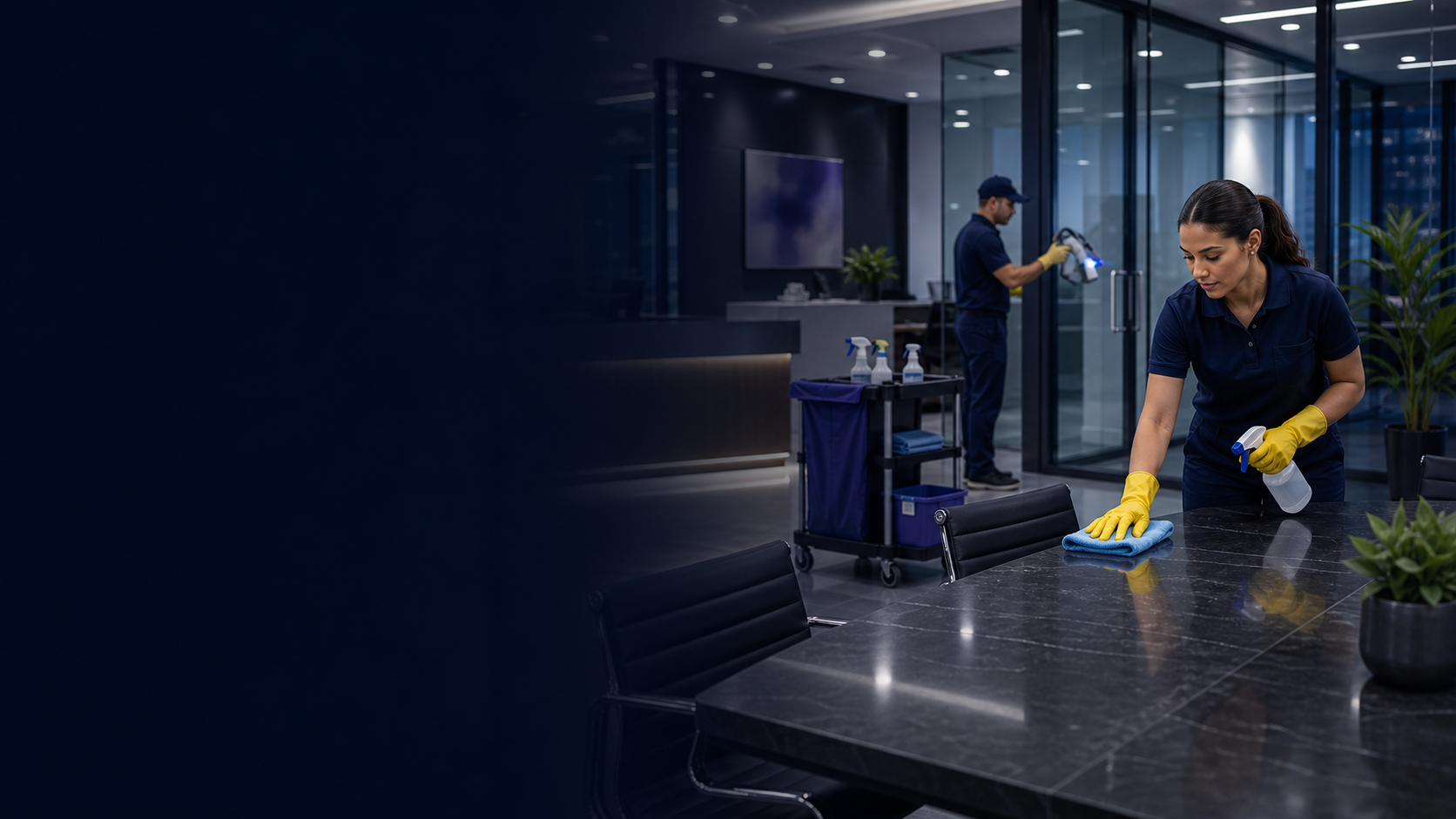
Commercial disinfecting is what you call when ordinary cleaning isn't enough. A flu cluster has worked through your staff. A tenant is moving into a previously-occupied office. Or your medical practice needs a documented terminal clean between procedure days.
Commercial disinfecting is the application of EPA-registered disinfectants to facility surfaces at the dwell times and concentrations the product label requires, in a sequence designed to break the chain of infection across a building.
It is performed after cleaning, not as a substitute for cleaning. A dirty surface cannot be disinfected, only re-contaminated.
Our disinfecting program covers four surface categories: hard surfaces, soft surfaces, electronics, and high-touch points, with the product class each category requires. We work CDC guidance on pathogen scope and EPA List N (or whichever current EPA list applies to your scenario) for product selection.
We observe and document dwell times. The team finishes with a high-touch terminal pass on doorknobs, light switches, push bars, and shared electronics.
What is included
Hard surfaces
desks, counters, tables, shelving, door handles, push plates, light switches, faucet handles, toilet/urinal hardware. Wiped or sprayed with the EPA-registered disinfectant at label dwell time.
Soft surfaces
upholstered chairs, fabric cubicle walls, carpet (where applicable). Treated with a soft-surface-rated disinfectant product matched to the pathogen scope.
Electronics
keyboards, mice, phones, shared tablet kiosks, payment terminals. Wiped with an electronics-safe disinfectant (alcohol-based or quaternary, depending on manufacturer compatibility).
Restrooms
terminal-grade clean. Toilet bowl, seat, tank, urinal, sink, faucet, hand-dryer or dispenser, mirror, floor. Hospital-grade disinfectant.
Floors
damp-mop in clinical-style spaces; encapsulation or extraction on carpeted areas where appropriate.
Documented terminal pass
a final walk-through covering every high-touch point one more time, with a written job sheet your office manager can keep on file.
Our process
Mike or a senior tech takes the call, asks the trigger question ("what happened, when, and what's the facility?"), and assesses urgency.
For larger or complex spaces we walk the building before scoping. For emergency response, photos and a phone walkthrough are usually enough to mobilize.
You get a one-page scope showing surface categories, product names, application method, dwell time, and the estimated crew size and duration.
For active outbreaks we mobilize same-day or next-day. The crew arrives with the product, the right PPE, and the documented job sheet.
The crew works the scope. Documentation includes start/finish times, surface coverage, products used, and dwell-time observation.
We walk the space with the building manager. You receive the documented job sheet for your records, useful for insurance, public-health reporting, or staff communication.
Why Long Island Offices Stay
What clients say
Norovirus ripped through our office and we needed a full disinfection before reopening Monday. Above N' Beyond was on-site Saturday and we reopened on schedule. (verified Google review)
Mike's team handled our annual deep disinfect on the dental practice. Documented, on time, EPA products listed on the job sheet. (verified Google review)
Common questions
Where we work
We cover both Nassau and Suffolk. Pick the town below or call (516) 517-4741 — we'll quote your building the same day in most cases.
Real Long Island jobsites
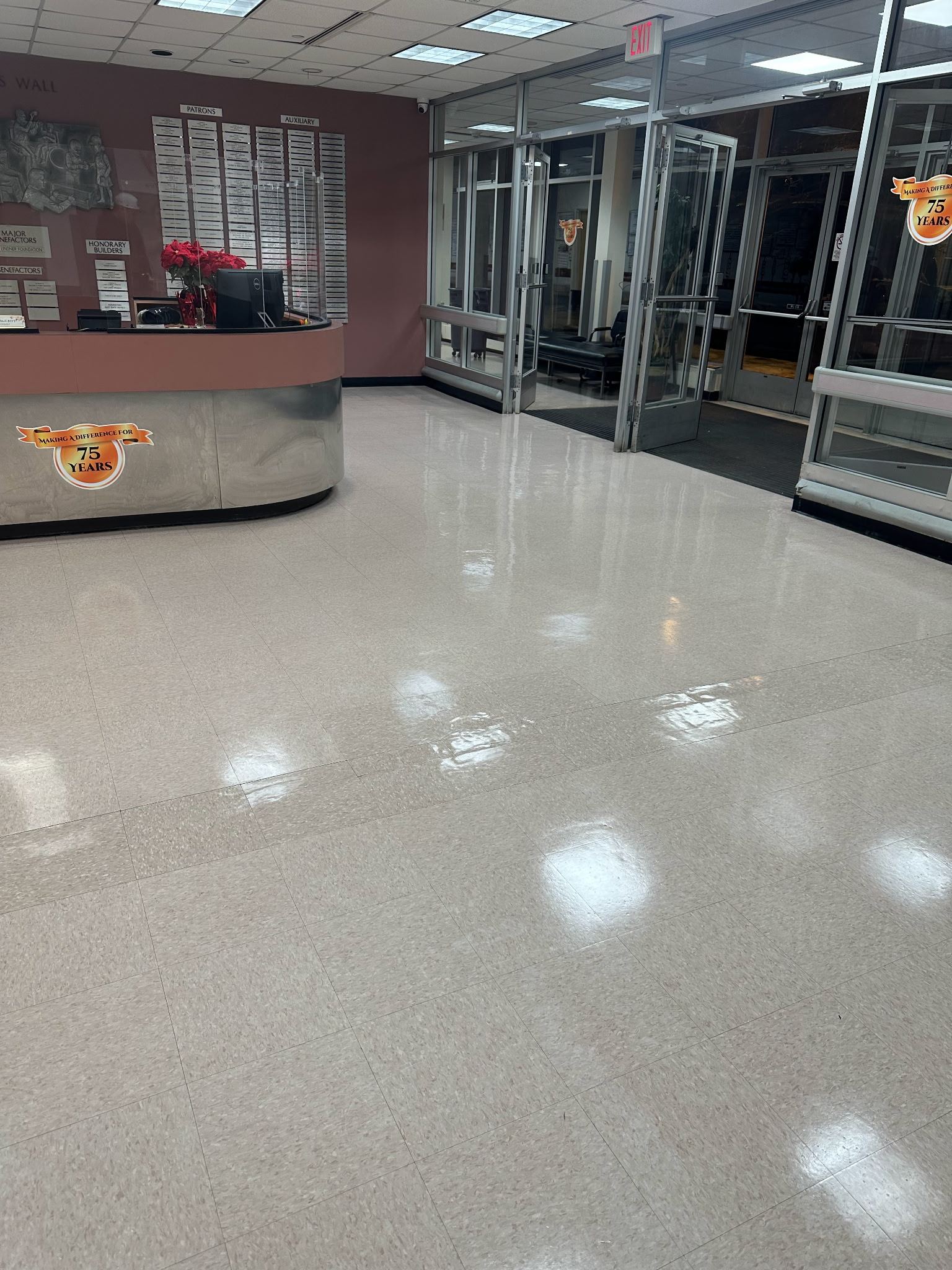
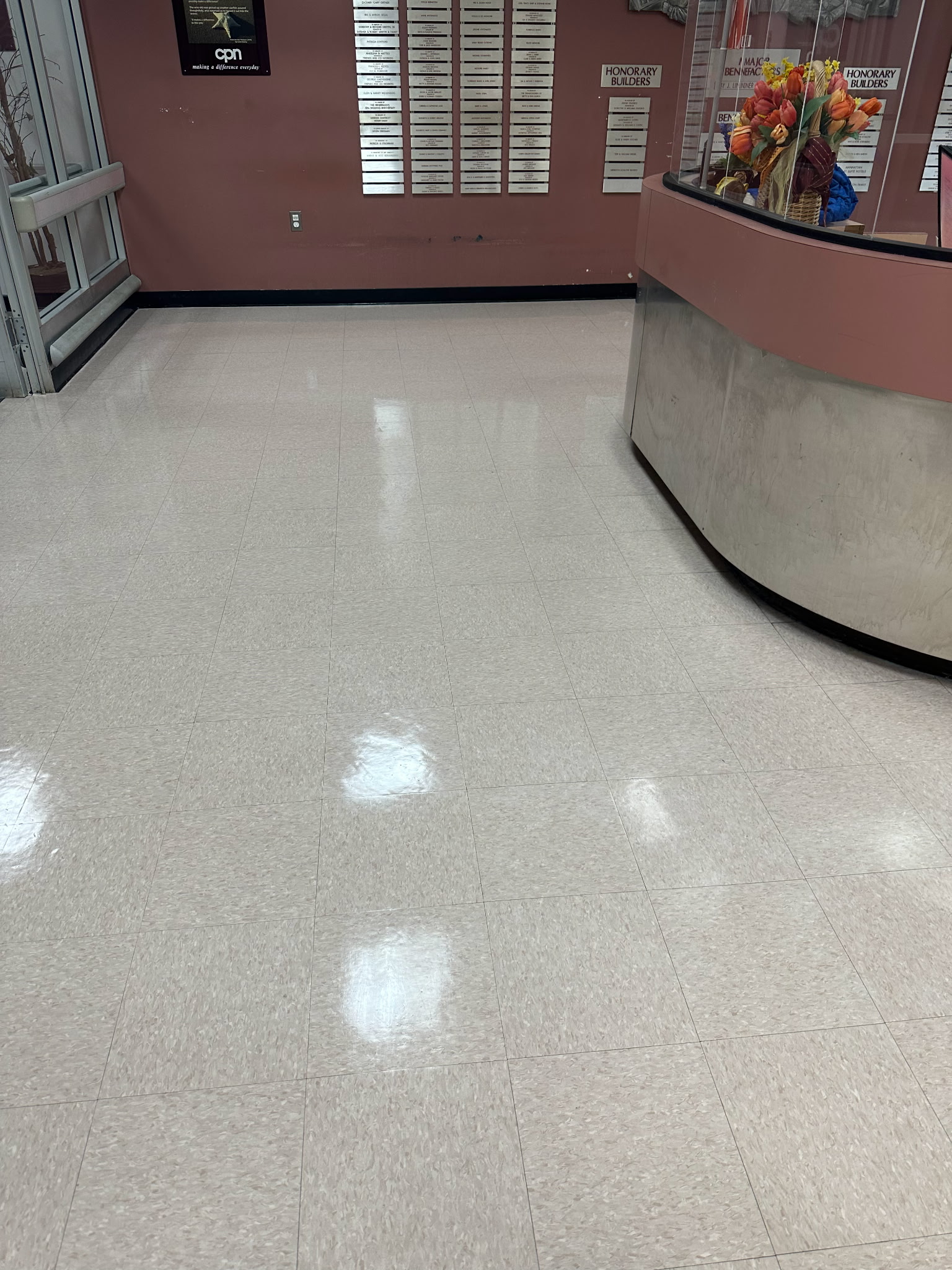
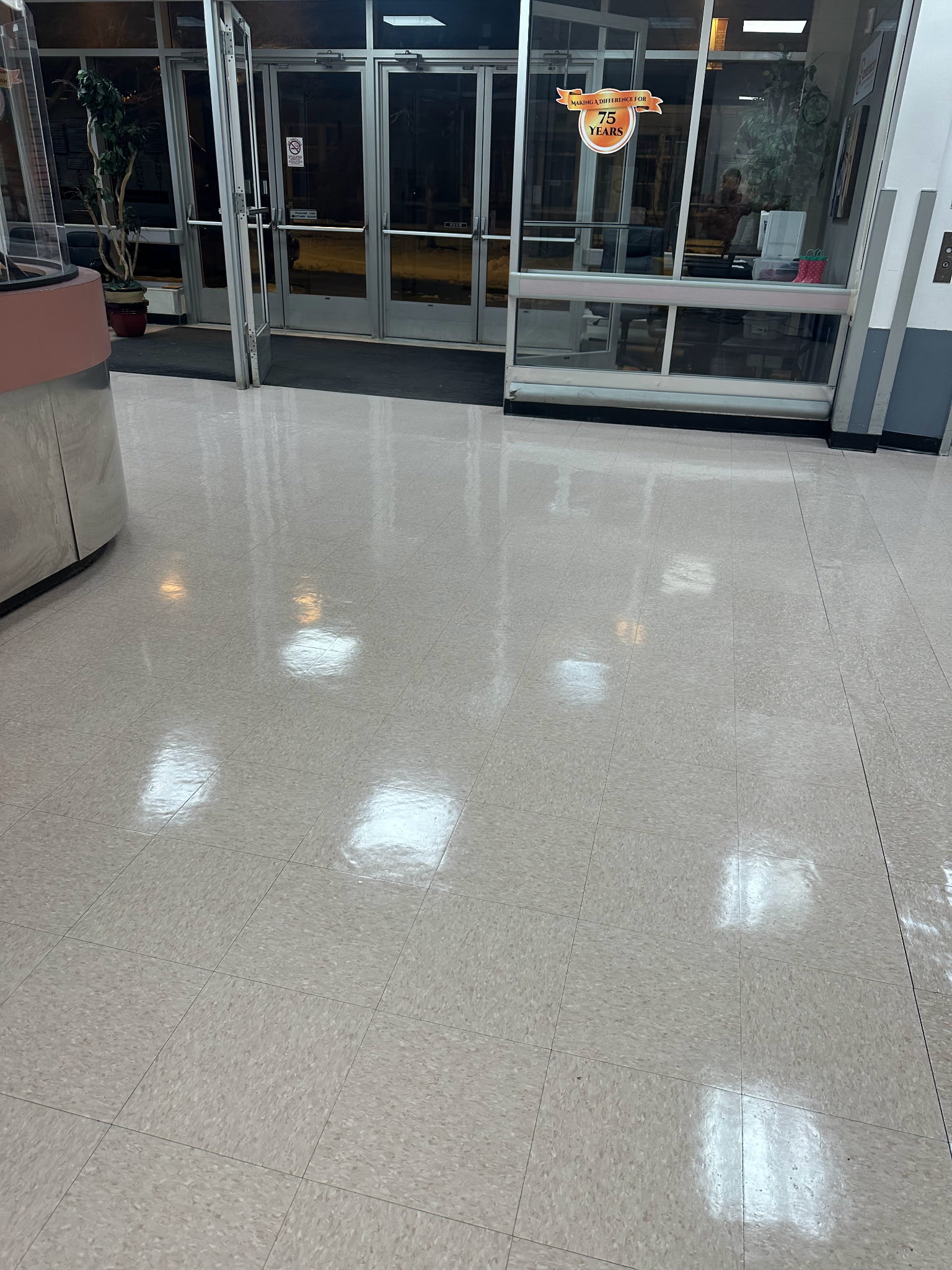
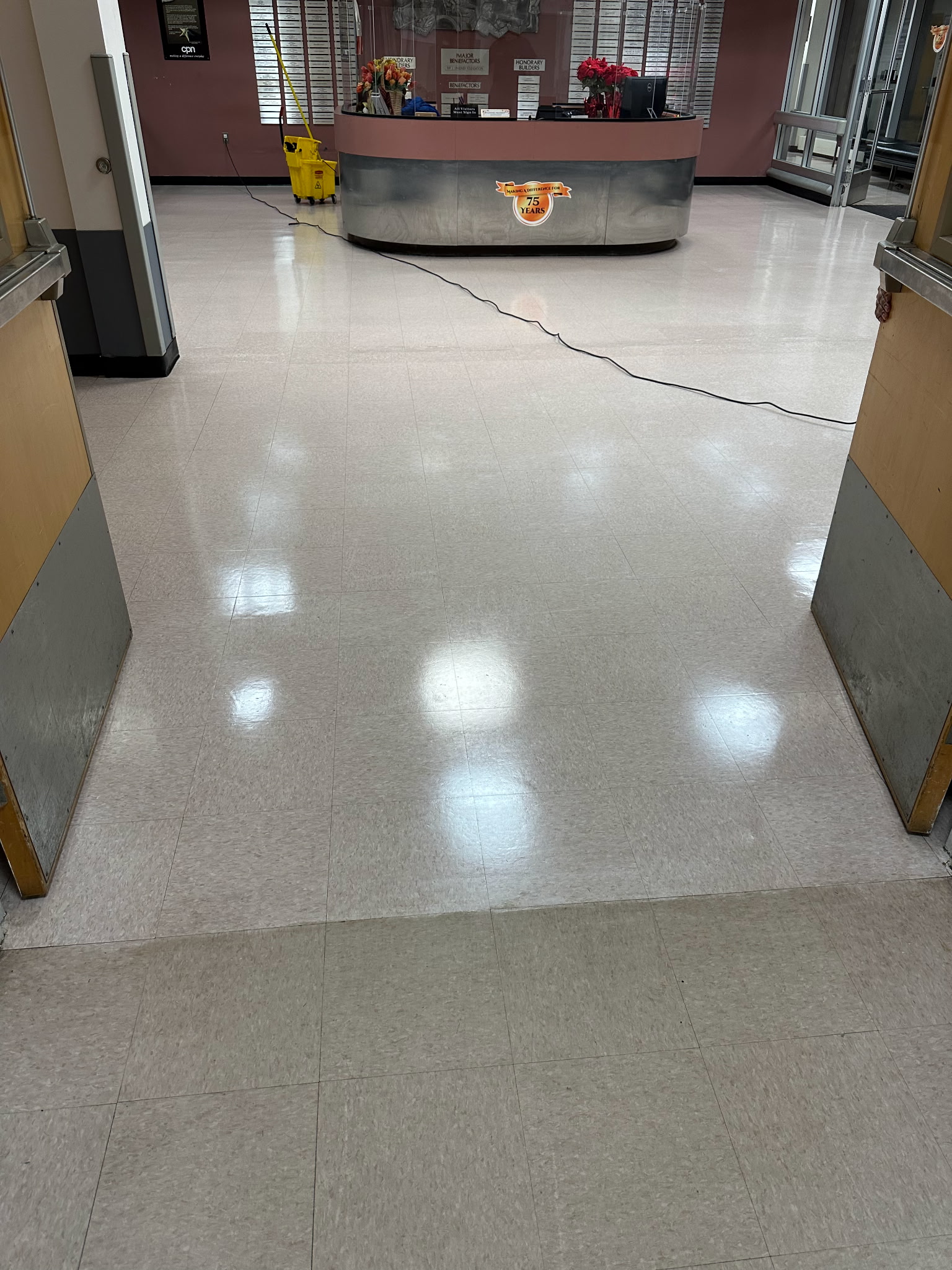
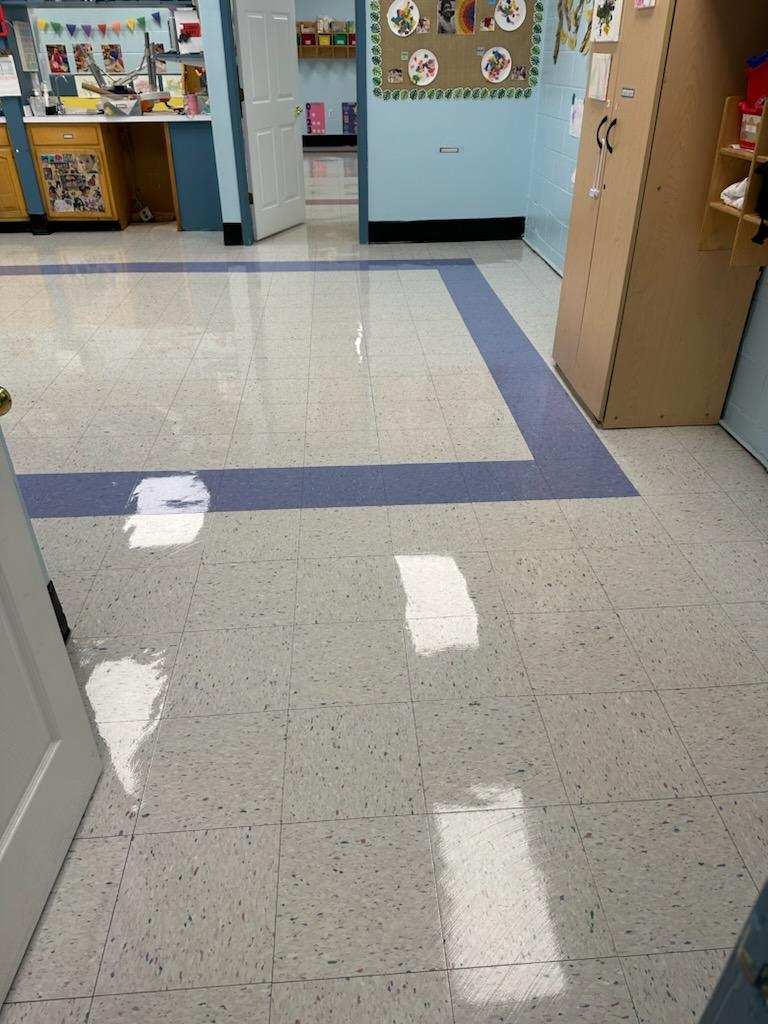
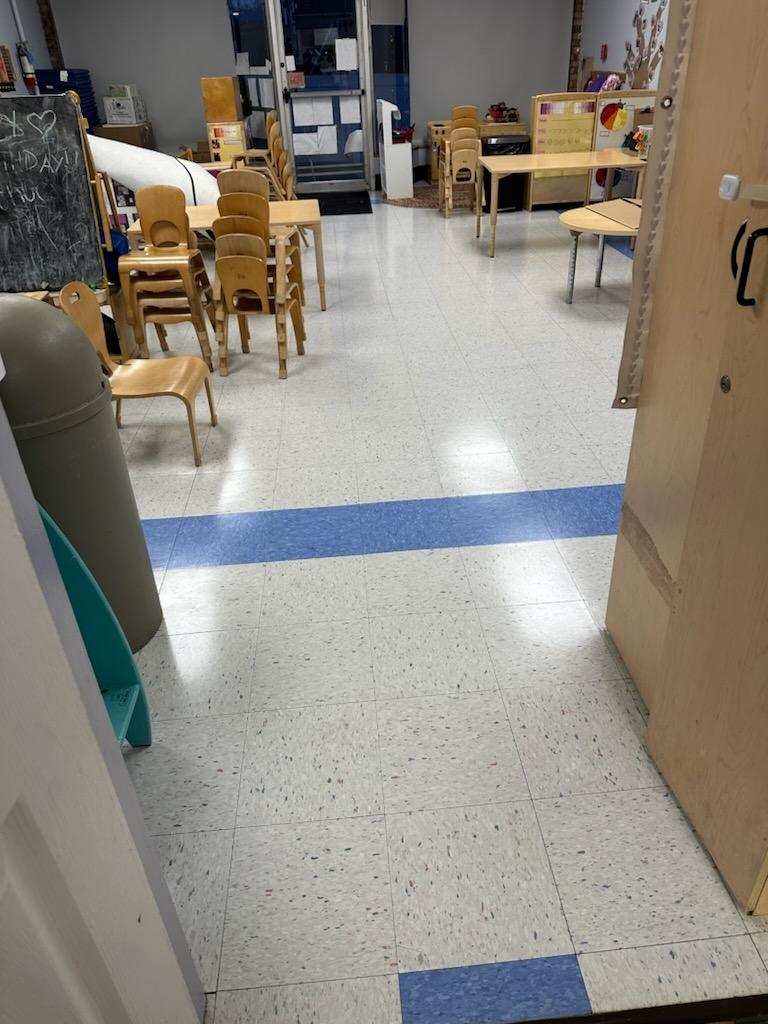
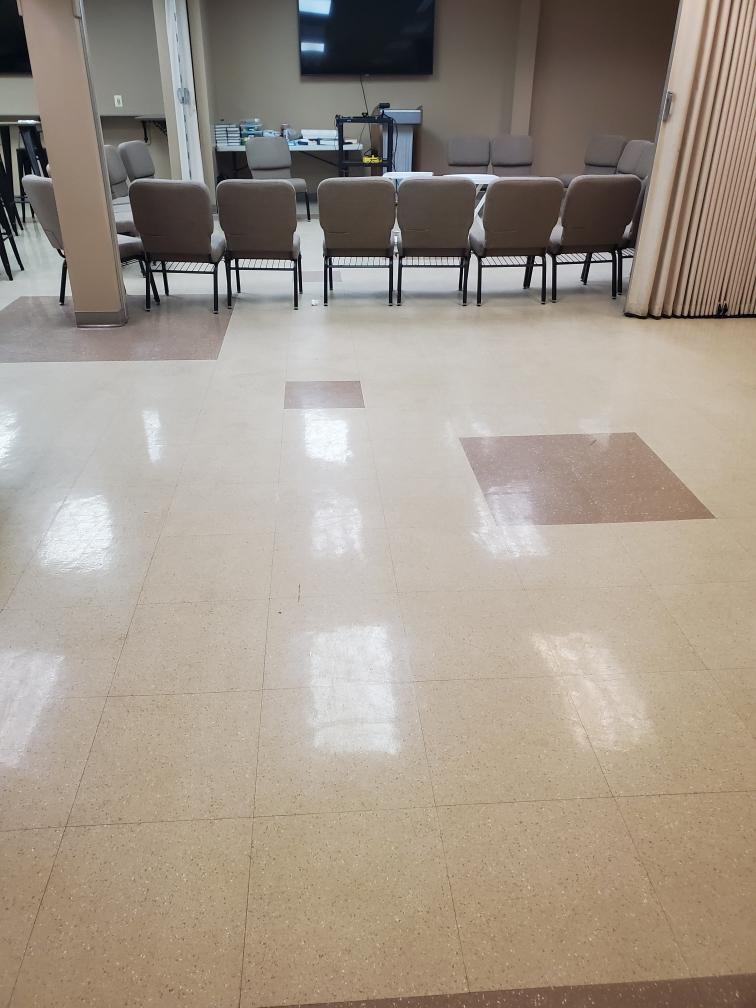
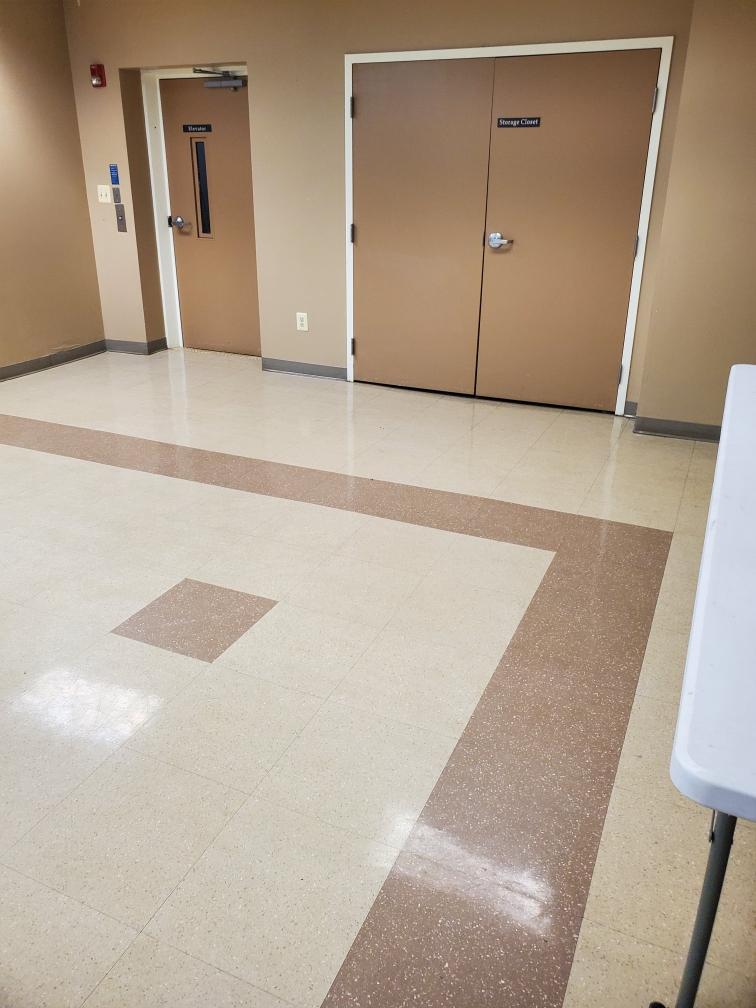
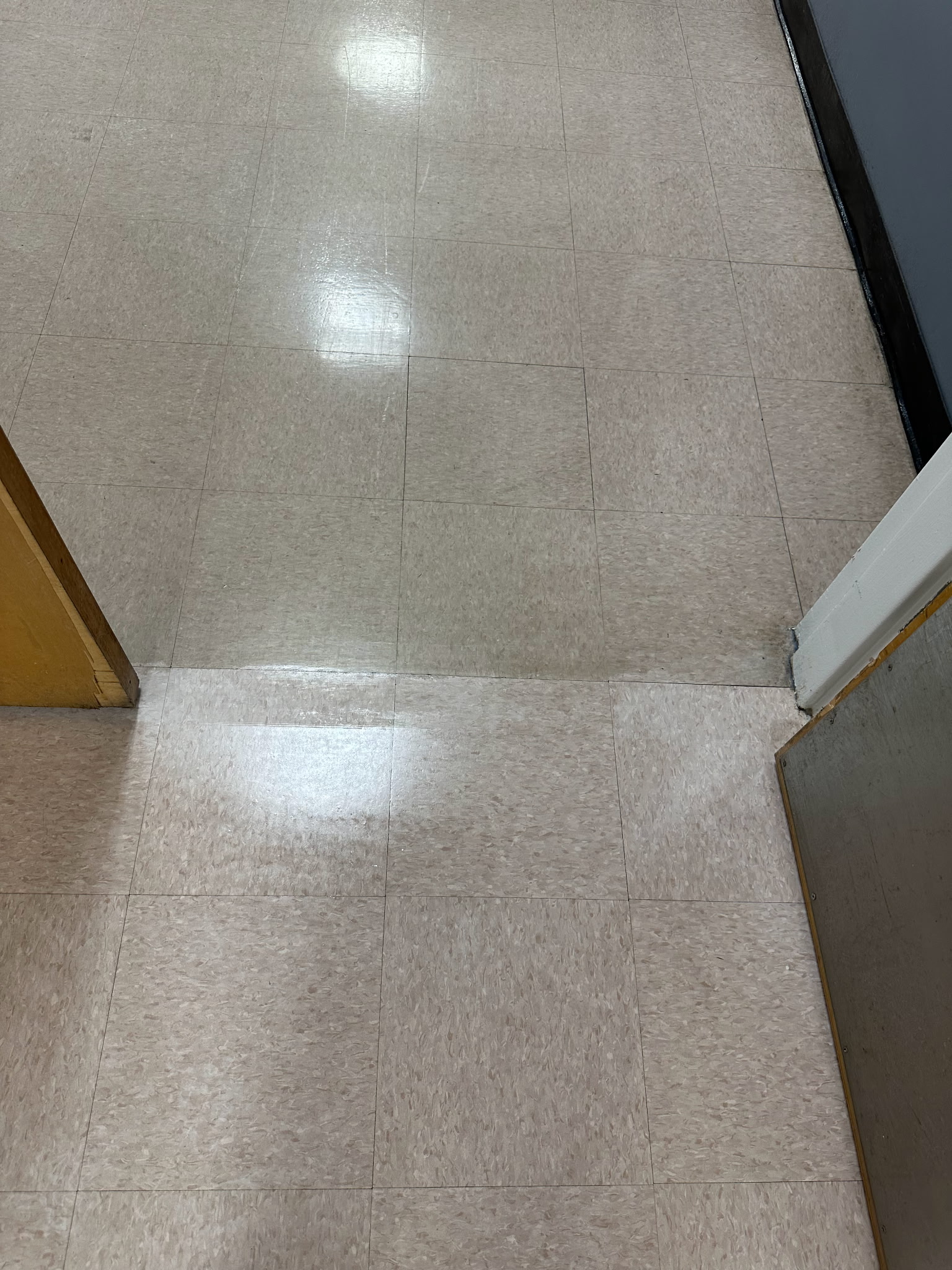
Every shot below is from an actual recurring contract on Long Island — taken by the crew at the end of a service. No staged interiors, no stock photography. Just what the buildings look like when we walk out the door.
Get a Quote
Call (516) 517-4741 to scope a one-time disinfection or to add disinfecting to your recurring cleaning contract. Real people, real service, real peace of mind. Commercial disinfecting on Long Island since 1999.